A kitchen benchtop may benefit from added surface protection when it is exposed to frequent cooking, spills, food preparation and everyday household activity. The need depends on the material, how heavily the kitchen is used and whether preserving the existing finish is important to you.
For homeowners considering kitchen benchtop protection in Melbourne, it helps to look at what the surface deals with each day before deciding whether an additional barrier makes sense.
Kitchen Benchtops Deal With More Than Food Preparation
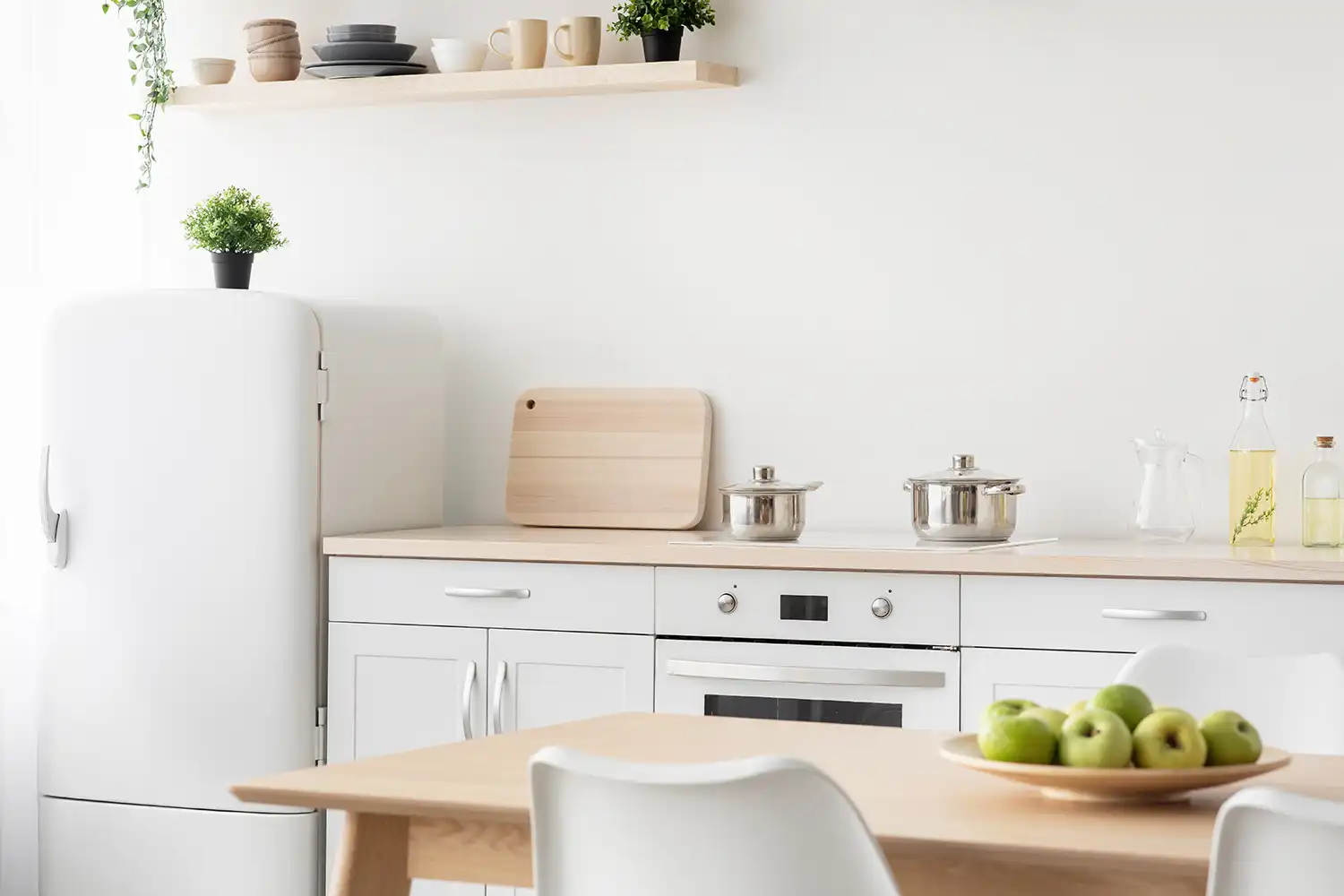
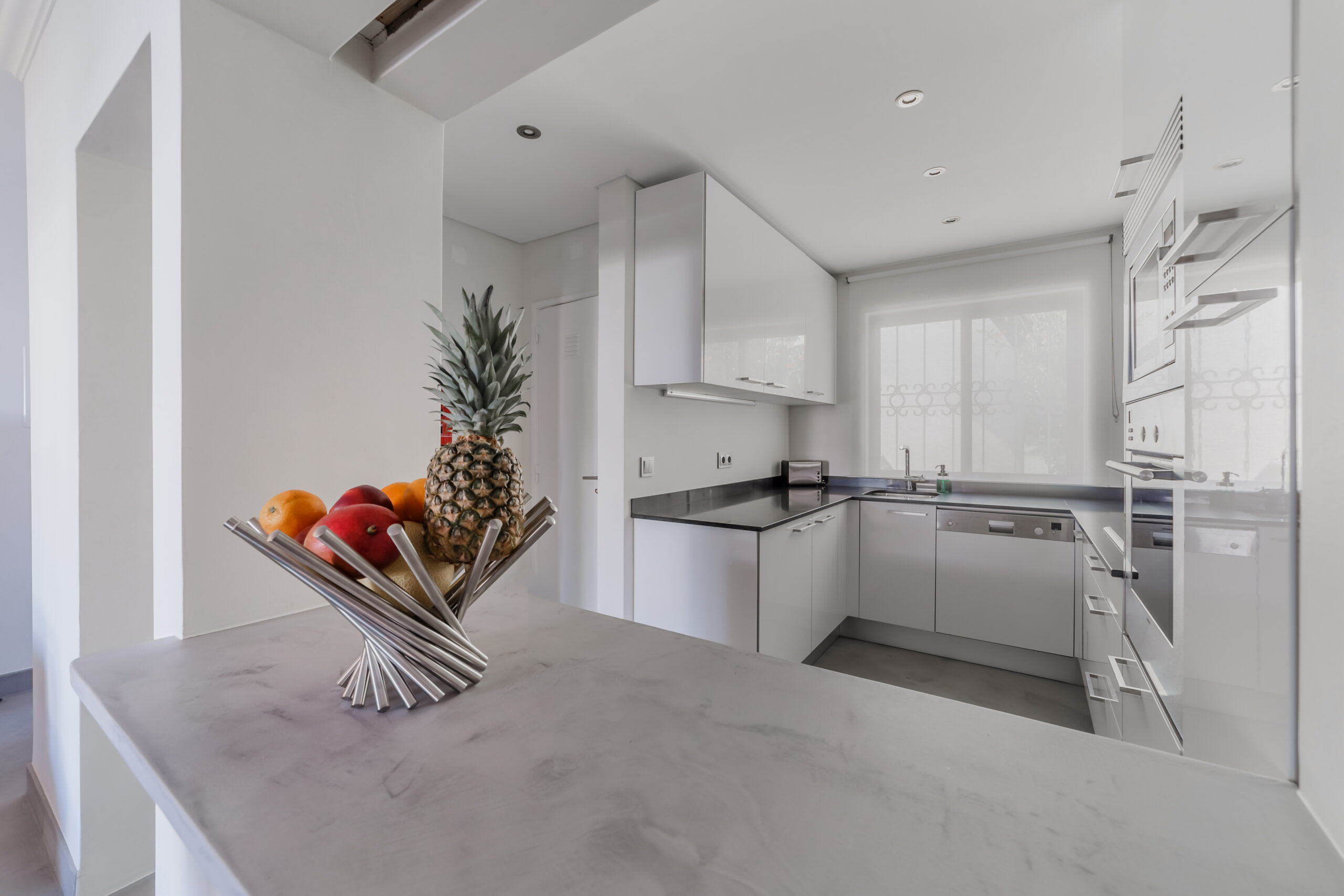
Benchtops are among the most frequently used surfaces in a kitchen. They can become preparation areas, serving spaces, breakfast bars and places where groceries, appliances and everyday household items are placed.
That regular activity creates several common sources of wear:
- Food and drink spills
- Cooking oils and sauces
- Water around sinks
- Hot cookware and appliances
- Knives, utensils and other hard objects
- Repeated wiping and cleaning
The effect will vary between materials, but a heavily used kitchen naturally places more demand on its surfaces than one used occasionally.
Some Stone Surfaces Need More Considered Care
Marble, granite, quartzite and engineered stone have different characteristics, so there is no single approach that suits every kitchen.
Marble
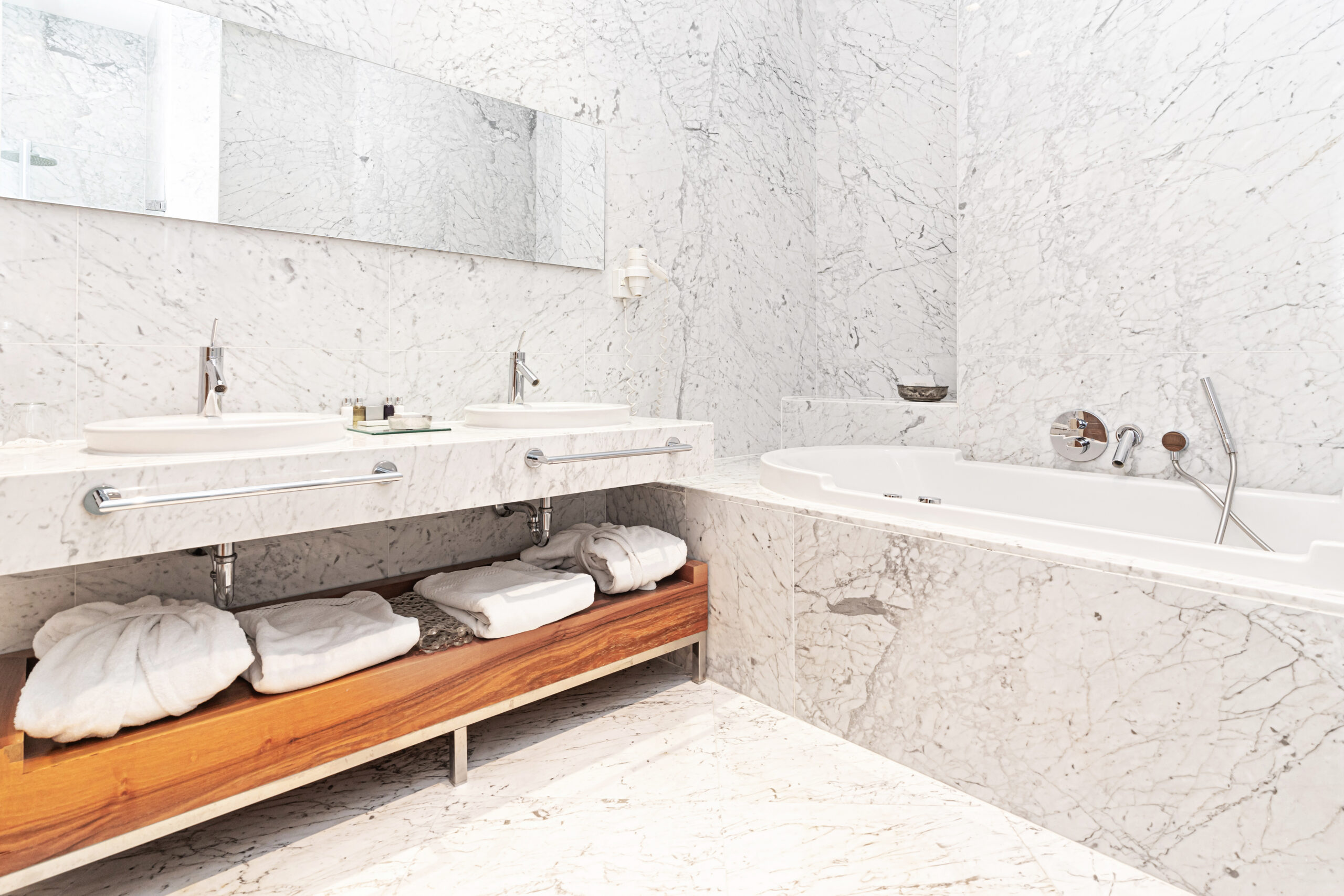
Marble is popular for its natural veining and individual look. Because the stone can react to spills and everyday kitchen use, some homeowners choose an extra layer of protection to help look after the surface.
Protective film can be considered for suitable marble benchtops where retaining the visible finish is a priority.
Granite and Quartzite
Granite and quartzite are commonly associated with durable kitchen surfaces, but they still experience regular contact with oils, liquids, cookware and cleaning products.
How they should be maintained or protected depends on the specific stone and finish.
Engineered Stone
Engineered surfaces also have their own care requirements. Manufacturer guidance should be considered before using strong cleaners, abrasive products or adding another layer over the existing finish.
Knowing what the benchtop is made from should always come before choosing a protective solution.
When Is Additional Surface Protection Worth Considering?
An extra barrier makes the most sense when there is something worth preserving.
That might be a marble island with distinctive veining, an existing stone benchtop that still suits the kitchen, or a frequently used surface where the homeowner wants to reduce direct everyday contact.
You may want to explore additional surface protection when:
- The kitchen is used heavily every day
- Children regularly eat or prepare food at the island
- The benchtop is exposed to frequent spills
- You want to preserve an existing marble or stone finish
- Replacing the current surface is not part of your renovation plans
- The benchtop forms a major visual feature within an open-plan kitchen
The decision should still be based on the actual material and condition rather than assuming every surface needs the same treatment.
What Does Protective Film Actually Do?
Clear surface protection film creates a physical layer over a compatible benchtop, reducing direct contact between the original finish and everyday kitchen activity.
For a suitable stone surface, this means the existing colour and pattern can remain visible beneath the film. This can be particularly relevant for marble, where natural veining is often one of the main reasons the material was selected.
Protective film does not turn a benchtop into an indestructible work surface. Normal care is still important, and the film itself should be used according to its care requirements.
The benefit is the additional barrier it creates between daily activity and the material underneath.
Think About Where Wear Happens Most
Not every section of a kitchen receives the same amount of use.
The area beside the sink may see more water. The section near the cooktop can experience more food preparation, while an island might be used for everything from breakfast to homework.
Rather than thinking about the kitchen as one uniform surface, consider the zones that receive the most activity.
Around the sink
Water, soap and cleaning products are common around sinks. Regular wiping helps, but this area may still receive repeated exposure throughout the day.
Preparation areas
Food preparation zones can encounter oils, ingredients, utensils and frequent cleaning. They are often among the hardest-working sections of the benchtop.
Kitchen islands
Large islands tend to serve several purposes. Cooking, dining, entertaining and general household activity can all take place on the same surface.
Understanding these high-use areas can make it easier to decide whether added surface protection is relevant to your kitchen.
Protection Should Not Hide the Benchtop You Chose
A protective solution should make sense visually as well as practically.
Stone benchtops are often chosen for their colour, texture and pattern. Marble, in particular, can become a focal point in a kitchen, especially on large islands and waterfall ends.
Clear protective film is designed for situations where the homeowner wants an added surface barrier while keeping the material underneath visible.
The final suitability will depend on the stone, its finish, and the benchtop’s existing condition.
Good Everyday Habits Still Matter
Surface protection works best alongside sensible kitchen habits rather than replacing them.
Simple practices can still help:
- Clean spills when they happen
- Use products suitable for the underlying material
- Avoid dragging sharp or heavy objects across the surface
- Follow appropriate guidance for hot cookware
- Keep the benchtop clean without relying on unnecessarily abrasive products
These habits support the surface regardless of whether additional film has been applied.
Start With the Benchtop You Already Have
The best surface protection decision starts with identifying the material, assessing its condition and considering how the kitchen is actually used.
A lightly used granite benchtop may have different priorities from a marble island in a busy family kitchen. The right solution should respond to those differences rather than applying the same recommendation to every home.
If you want to preserve an existing kitchen surface, Interior Wrap Solutions can assess suitable stone benchtops and discuss whether protective film is appropriate for the material and level of use.
That way, the focus remains on protecting the surface you already enjoy rather than changing it unnecessarily.