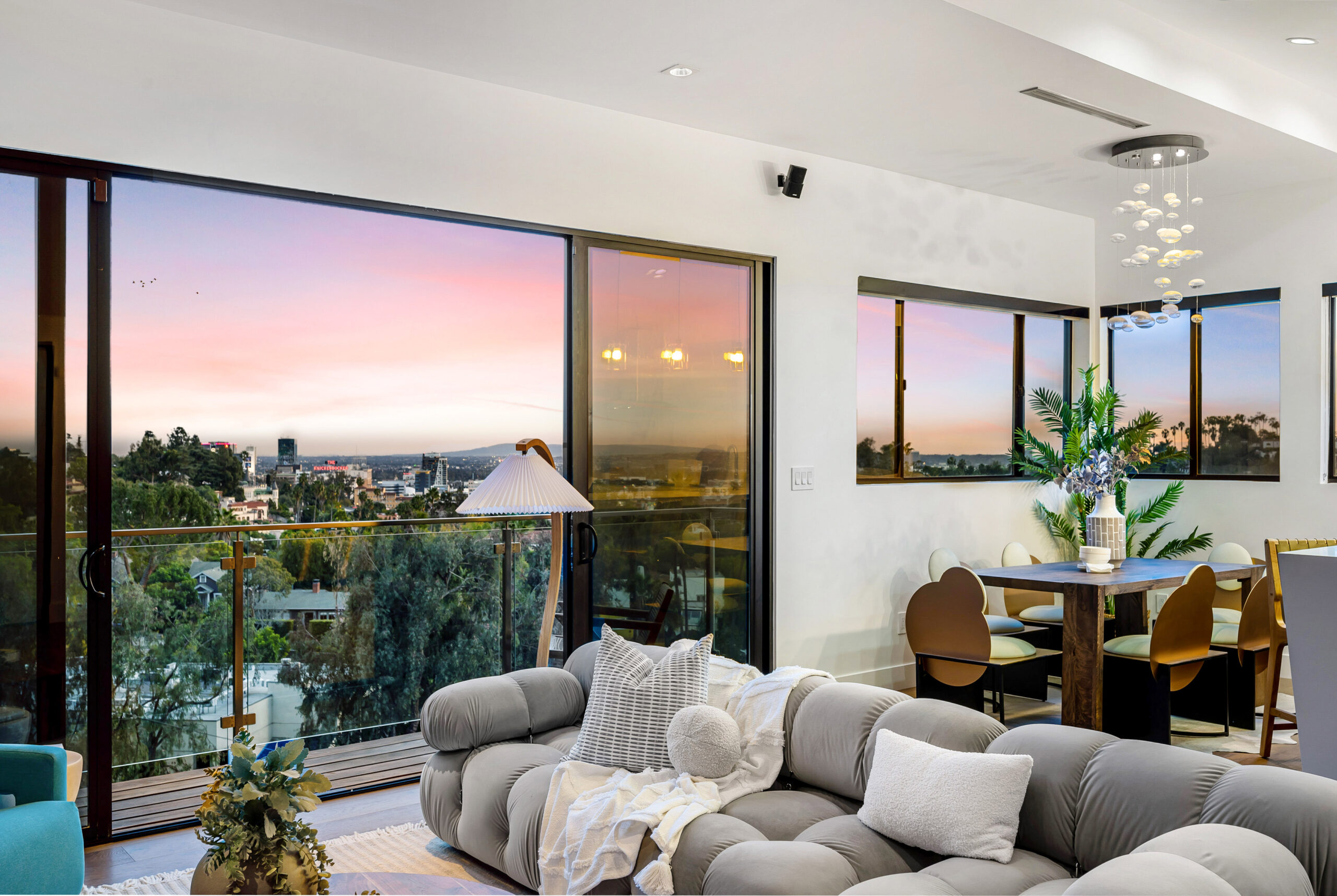
The right window film depends on the room, the amount of sunlight coming through the glass and what you want to improve. A living area affected by glare has different needs from a bathroom, where privacy is the main concern.
For homeowners considering home window tinting in Melbourne, starting with the problem you want to solve can make choosing a suitable film much easier.
Start With the Problem, Not the Shade
Window film should be chosen according to what you want the glass to do differently.
Some homes get more direct sunlight than others, so cutting down glare can make living areas more comfortable. Privacy may be the bigger concern in bathrooms or bedrooms facing the street. In other rooms, the aim might be to limit how much sun reaches flooring, furniture and interior finishes over time.
Before choosing a window film, think about what you actually want to change in the room.
- Is glare making the space harder to enjoy?
- Do the windows face a busy street or a nearby home?
- Are floors, furniture or furnishings getting a lot of direct sun?
- Would you like more privacy without adding curtains or blinds?
- Do you still want plenty of natural light coming through?
Once the main issue is clear, it becomes easier to narrow down the options.
Living Rooms Often Need Better Light Control
Living room window film can help manage bright light while keeping the space connected to the outdoors.
Large windows and sliding glass doors bring plenty of natural light into a home, but they can also make certain areas uncomfortable at particular times of day. Glare across televisions, computer screens, or seating areas is a common reason homeowners start looking at window film.
Think About How the Room Is Used
A family room used throughout the day may need a different level of tint from a formal lounge used mostly in the evening.
Consider where people sit, where screens are positioned and how much natural light you want to retain. The aim is not necessarily to make the glass darker. It is to find a balance that makes the room more comfortable.
Bedrooms Need a Balance Between Privacy and Light
Bedroom windows often benefit from film that provides greater privacy without making the room feel closed in.
This can be useful for windows facing footpaths, neighbouring homes, driveways or other areas where people can easily see inside.
Privacy requirements can also vary depending on the window’s position. An upstairs bedroom overlooking a backyard may have very different needs from a ground-floor room facing the street.
Do Not Forget About Night Time Privacy
Some types of tint behave differently as lighting conditions change.
If privacy is the main reason for adding film, discuss how the chosen product performs during both the day and evening. Interior lighting can affect how visible a room is from outside, so the darkest-looking film is not automatically the best solution.
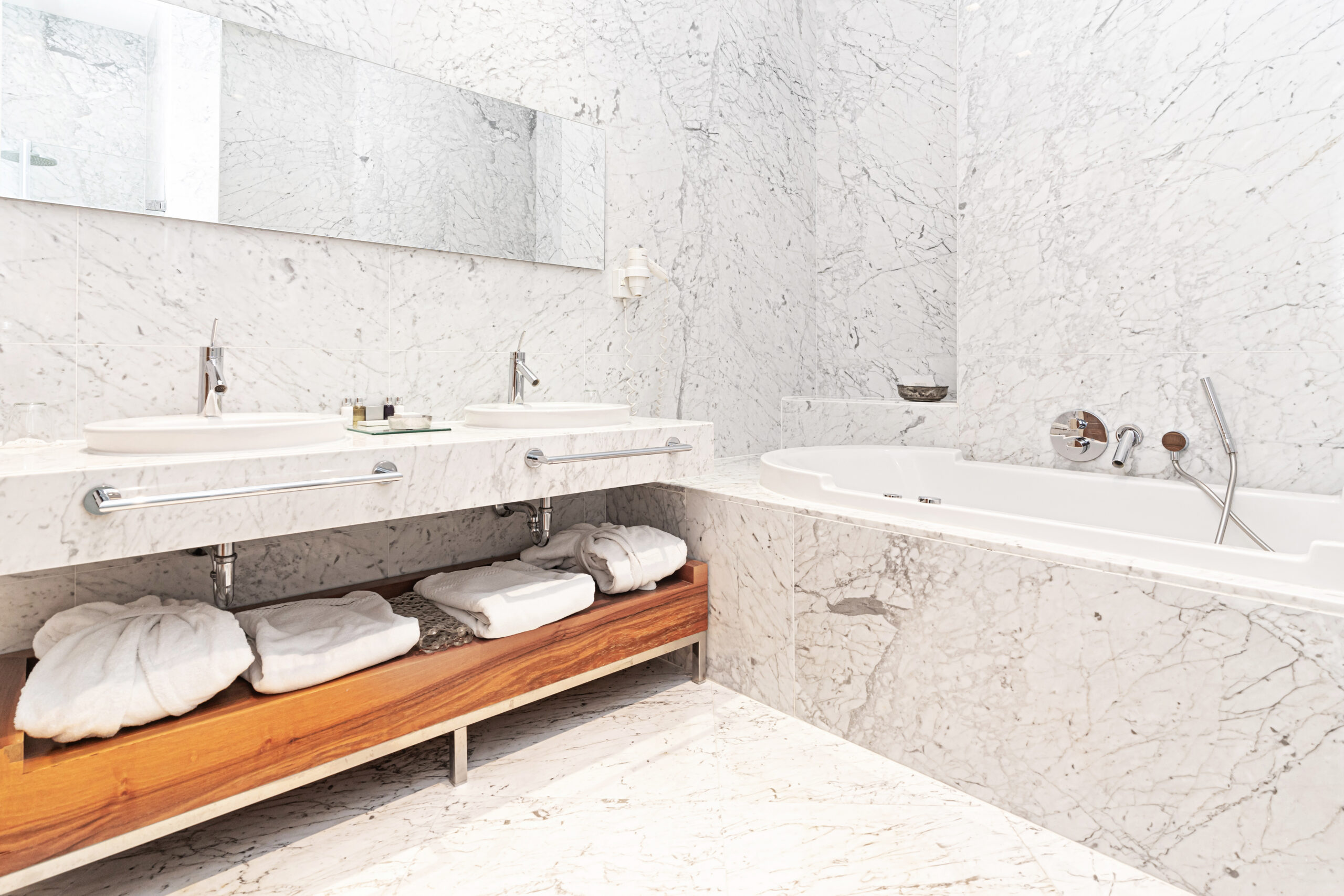
Bathrooms Need Privacy Without Losing Useful Light
Bathroom window film should create privacy while allowing the room to remain bright and practical.
Frosted, patterned and other decorative films can work well where obscuring the view is more important than reducing sunlight. They are particularly useful around bathroom windows where traditional curtains may not suit the space.
This approach can provide a softer alternative to permanently changing the glass.
Privacy film can also make sense for ensuites, powder rooms and other areas where natural light is welcome but a clear view through the window is not.
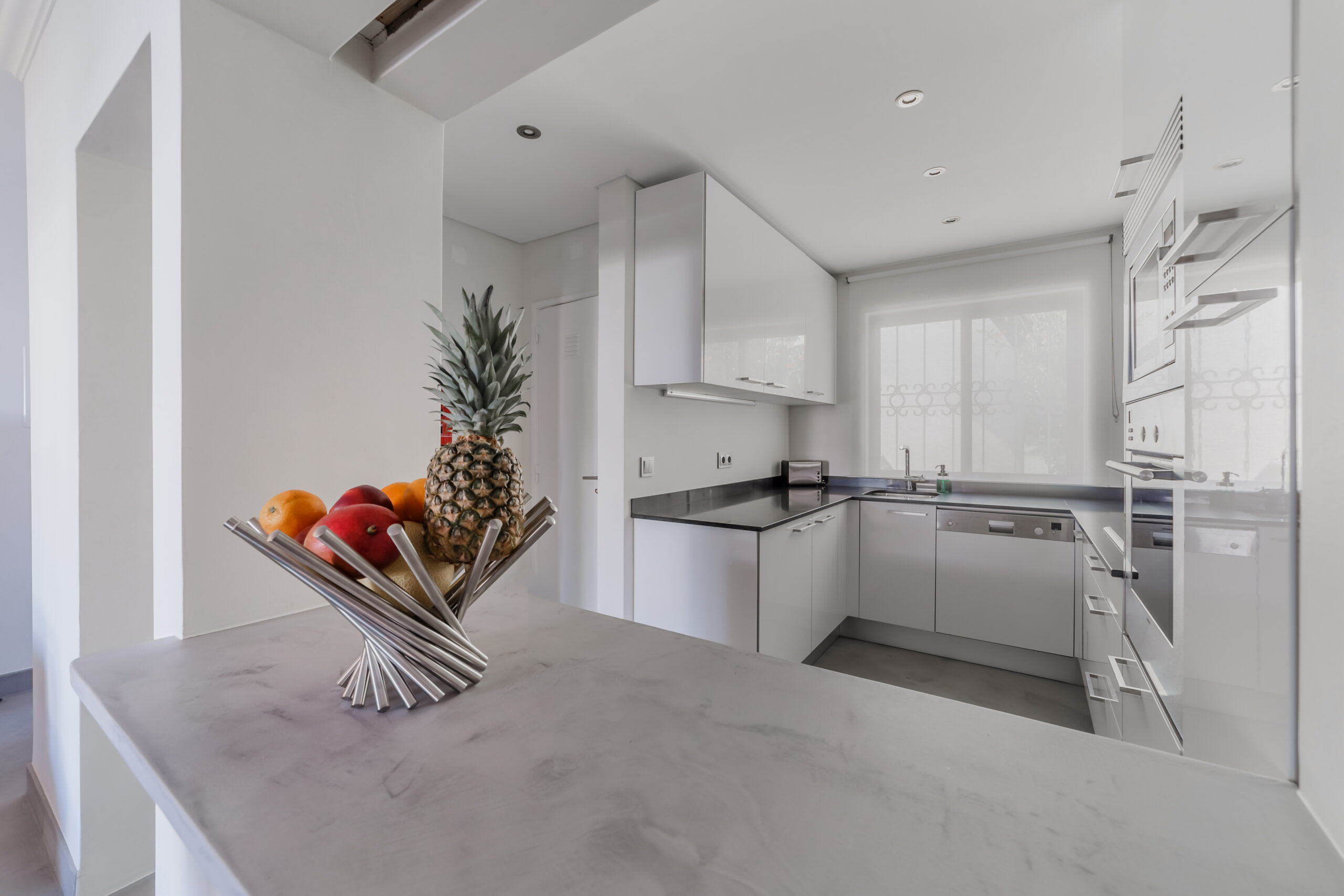
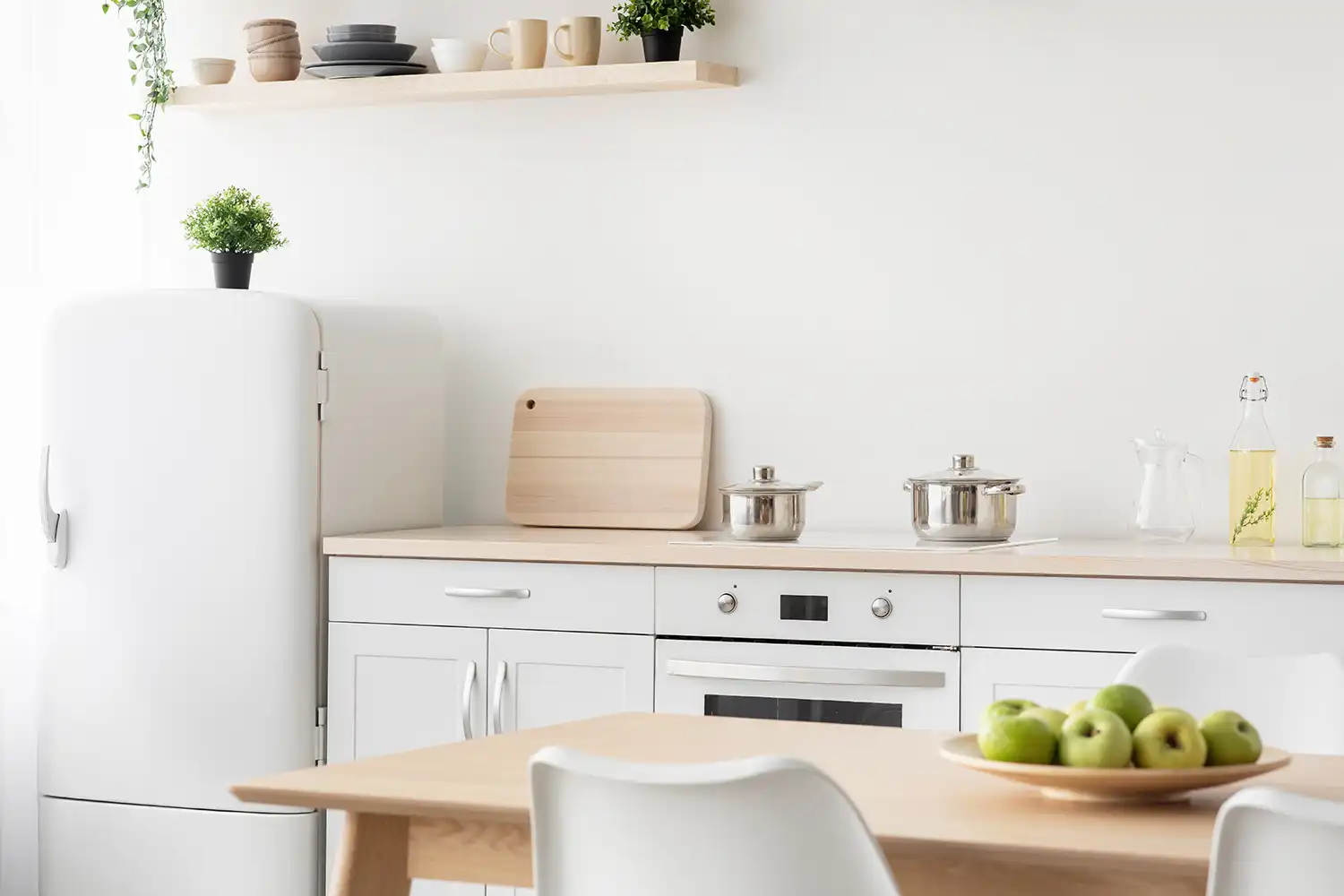
Kitchens Have Their Own Priorities
Kitchen window film should take the position of benches, dining areas, cabinetry and nearby finishes into account.
Sunlight can fall directly across timber flooring, cabinet doors, dining furniture and decorative finishes, depending on the orientation and size of the glass.
Rather than automatically using the same film selected for another room, look at what sits near the kitchen windows and how the area is used throughout the day.
Open plan kitchens may also share large windows with adjoining dining and living areas, making visual consistency worth considering.
Entryways May Need More Privacy Than You Expect
Glass around front doors can benefit from decorative or privacy film when the entry gives a direct view into the home.
Sidelights, glazed doors and large entry windows can bring welcome natural light into a hallway, but they may also expose more of the interior than homeowners are comfortable with.
A privacy or decorative finish can change what is visible through the glass without removing the window or covering it permanently.
This can be particularly useful when you still want daylight reaching the entrance.
Consider What the Sun Is Reaching Inside the Home
Window film can also be chosen according to what sits behind the glass.
Timber flooring, rugs, upholstery, artwork and other interior finishes can receive repeated sunlight depending on the room and window position. Interior Wrap Solutions’ home tinting service includes films intended to reduce UV exposure as part of its residential range.
If protecting interiors is one of your priorities, mention the specific surfaces you are concerned about when discussing film options rather than choosing purely by appearance.
One Film Does Not Have to Cover the Entire Home
Different rooms can use different window films when their requirements are not the same.
For example, a home might use:
Living areas
A film selected primarily for glare and light management.
Bathrooms
A frosted or privacy-focused finish.
Bedrooms
A solution balancing privacy with natural light.
Entryways
Decorative film that obscures direct views into the home.
The important part is making the finishes work together visually rather than assuming every window needs an identical treatment.
Appearance Still Matters
A window film should suit the style of the home as well as its practical purpose.
The colour of the glass, surrounding frames, interior finishes and exterior appearance can all influence how a tint looks once installed. A film that suits a contemporary home with large areas of glazing may not create the same effect on smaller windows in an older property.
Looking at actual film samples against the glass can give you a better idea of the finished result than choosing from a description alone.
Know What You Want Before Comparing Options
Choosing residential window film becomes much simpler when you can clearly explain what is bothering you about the existing windows.
You may want less glare in the lounge, more privacy in a bathroom, greater discretion around a bedroom or added protection for interior furnishings. Sometimes there will be several priorities within the same home.
Interior Wrap Solutions provides residential window film solutions across Melbourne for living areas, bedrooms, bathrooms, entryways and other suitable glazing. Their service page also covers different tinting benefits and the professional installation process.
If you are unsure which option suits your windows, start with the rooms causing the most problems. From there, the team can help you compare films based on privacy, light, appearance and the way each part of your home is used.